
"bean saint"
1000 article(s) found
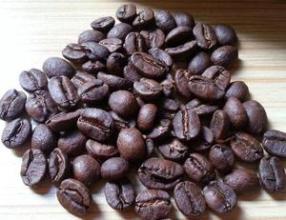
Description of Coffee Flavor in Chateau Saint-Roman, Costa Rica, introduction to the taste of varieties in producing areas
This coffee producer, with all grades and types of coffee, accounts for 1/3 of the global consumption and accounts for a place of origin in the global coffee market, although the natural disasters faced by Costa Rica are several times higher than in other regions. but its arable area is enough to make up for it. There are many kinds of coffee here, but its industrial policy is large and cheap, so it is special.

Description of Coffee Variety Culture and Fine Coffee Bean Taste in Saint Roman Manor, Costa Rica
Costa Rica has a variety of cultures, which is the cultural confluence of Central and South America. When the Spaniards conquered America in the 16th century, the northern part of Costa Rica was the southernmost territory of the Mayan civilization, the central and southern regions were Chibucha territories, and the west coast was inhabited by black slaves from Africa from the 17th to 18th centuries. at this time, many Chinese

Introduction to the characteristics of producing areas for describing the Flavor of Fine Coffee beans in Saint Roman Manor, Costa Rica
High-quality Costa Rican coffee is called extra hard bean SHB, which can grow at an altitude of more than 1500 meters. Tarrazu in Costa Rican coffee is one of the major coffee producing areas in the world. The coffee produced has a light and pure flavor and pleasant aroma. Located in the south of the country's capital, San Jos, Tarasu is one of the most valued coffee growers in the country. Taara

Costa Rican Coffee beans with the Royal Manor of Saint Roman
The coffee beans produced at the high latitudes of Costa Rica are famous in the world, full-bodied, mild in taste, but extremely sour. The coffee beans here have been carefully processed, which is why they have high quality coffee. Located in the south of SanJos, the capital of Tarasu, Costa Rica is one of the most valued coffee growers in the country. Tarasu in Costa Rica (

The taste of Costa Rican coffee with mild acidity introduces the characteristics of Saint Roman Manor.
There are many kinds of coffee here, but its industrial policy is large and cheap, so there is not much premium coffee, but it is a good choice for mixing other coffees. One of the most famous is Mountain Costa Rica Coffee, which tastes mellow and neutral. It can be boiled directly or mixed with other kinds of coffee beans to form a mixed coffee. It is also a good choice. Excellent Costa Rica

Introduction to fine coffee with light and pure flavor and taste of Chateau Saint-Roman, Costa Rica
Tarrazu in Costa Rica is one of the major coffee producing areas in the world. The coffee produced is light and pure in flavor and pleasant in aroma. Costa Rica, with its fertile volcanic soil and good drainage, is the first country in Central America to grow coffee and bananas for commercial value. Coffee and bananas are the country's main exports. In 1729, coffee was introduced from Cuba to Goth.

Introduction to the characteristics of Coffee Flavor varieties in Saint Roman Manor, Costa Rica
Coffee is an important economic source of Costa Rica. It was introduced in 1808 and has been cultivated for 200 years. Costa Rica has 1x3 population invested in newly developed villa sarchi, newly developed villa sarchi and coffee-related industries. Colombians say that coffee has changed the country and enjoyed a rich environment, and coffee has indeed made an outstanding contribution.

Flavor characteristics of Costa Rican Coffee Manor introduction of Saint Roman Manor Brand
Costa Rican coffee has full particles, ideal acidity and unique strong flavor. Costa Rica's coffee industry, originally controlled by the Costa Rican Coffee Industry Company (InstitutodelCafdeCostaRica, ICAFE), has been taken over by the official Coffee Committee (OficinadelCaf). In the coffee exported, those products that are considered to be of substandard quality use blue.

An introduction to the coffee flavor and taste of the rich and mild Chateau Saint Roman, Costa Rica.
Coffee was introduced into Costa Rica from Cuba in 1729. Today, its coffee industry is one of the well-organized industries in the world, with a yield of 1700 kg per hectare. Costa Rica has only 3.5 million people but 400m coffee trees, and coffee exports account for 25 per cent of the country's total exports. The volcanic soil of Costa Rica is very fertile and well drained, especially in the central part.

An introduction to the production area of Coffee Grinding degree and Flavor description in Saint Roman Manor, Costa Rica with ideal acidity
All the coffee trees planted in Costa Rica are Arabica coffee trees. through improvement, the quality of coffee beans is better and more stable. in order to facilitate picking, coffee trees are kept at a height of about 2 meters through continuous pruning. The coffee that people eat is the taste of the seeds in the fruit that are brewed in water. After picking raw coffee beans, the peel, pulp, seed film and sun exposure must be removed.

Costa Rica Saint Roman drinks the price of Costa Rican coffee beans correctly
For the exchange of professional baristas, please follow the coffee workshop (official Wechat account cafe_style). The most famous large planting area in the country is Tarrazu, near the capital, San Jose. Tarazhu producing area has the highest average latitude and excellent climate and soil conditions, which makes Tarazhu the most famous and generally recognized coffee producing area in Costa Rica. Tres Rios is the tower.

Floral taffy sweet charming Costa Rican Saint Roman boutique coffee bean flavor and taste
Lajas, a Chinese coffee network, is also the first manor in Central America to start honey treatment and natural sun treatment. Tanning is a very traditional practice, which uses the least resources, but because there are too many uncontrollable factors, it is very difficult to do well. Francesca added many innovations, such as using the sugar meter (Brix meter), which is often equipped in the wine industry, to measure the sugar in the fruit.

Costa Rican Tarazu Saint Roman washed boutique coffee beans, brand recommendation and manor
Professional baristas exchange please follow the coffee workshop (Wechat official account cafe_style) due to the coffee industry Costa Rica is a more advanced profession. Coffee farmers have a high status in Costa Rica. In 1897, citizens of the capital witnessed the completion of the National Theater donated by coffee tycoons. Coffee wealth brings stability to Costa Rica's politics, economy and democracy. It is a Central American country.

Introduction to the regional treatment method for grinding scale varieties of Costa Rica Saint Roman coffee beans
First, we should seek financial support from the government and set up a coffee trust fund to help coffee growers with difficulties tide over their cash flow difficulties. Second, vigorously develop high-quality coffee, increase the added value of coffee exports, and make up for the losses caused by the fall in coffee prices. The main approach is to focus on the cultivation of high-quality coffee from 1000 meters to 1500 meters above sea level, and to prohibit the collection of immature coffee.

Introduction to the characteristics and varieties of boutique coffee bean flavor and taste manor in Saint Roman, Costa Rica
Ricardo, owner of Elsa Manor, China Coffee Network, said that the manor has a coffee plantation covering an area of 16 hectares and is equipped with raw coffee bean processing equipment. it can process coffee fruits produced in its own coffee farm and provided by coffee growers in the surrounding area. Due to its location at 1700 meters above sea level, the quality and flavor of coffee beans are generally better than those grown at low elevations.

Costa Rican Saint Roman Coffee Flavor description introduction to the characteristics of High-quality Coffee beans in producing areas
The Communist Party of Costa Rica was founded in 1931 (renamed the people's Vanguard Party in 1943). The party led a general strike by banana plantation workers in 1934. From 1940 to 1948, R.A. Calderon Guardia and T. Deterred by the people's Democratic Movement, the two governments of Picardo adopted some democratic reform measures under the promotion of the people's Vanguard Party. In the 1948 general election, J.M.H, leader of the Social Democratic Party. Phenanthrene

Fine coffee with light and pure flavor in the producing area of Costa Rican Saint Roman Coffee Manor.
Costa Rican coffee has full particles, ideal acidity and unique strong flavor. Costa Rica's coffee industry, originally controlled by the Costa Rican Coffee Industry Company (InstitutodelCafdeCostaRica, ICAFE), has been taken over by the official Coffee Committee (OficinadelCaf). In exported coffee, those products that are considered to be of substandard quality are used in blue.

Costa Rican Saint Roman taste, flavor, variety and price of Costa Rican coffee
Professional baristas exchange please follow the coffee workshop (Wechat official account cafe_style) due to the coffee industry Costa Rica is a more advanced profession. Coffee farmers have a high status in Costa Rica. In 1897, citizens of the capital witnessed the completion of the National Theater donated by coffee tycoons. Coffee wealth brings stability to Costa Rica's politics, economy and democracy. It is a Central American country.

Costa Rican Saint Roman Coffee beans describe the characteristics of the producing area
For the exchange of professional baristas, please pay attention to the coffee workshop (Wechat official account cafe_style) Costa Rica has a small production of about 110000 tons per year, ranking seventh in Central and South America. Costa Rica is dominated by recent coffee varieties, such as Kaddura, Kaduai, New World, etc., while the ancient bourbon and Tibica are rare. There are also many varieties in China, the most famous of which is the bourbon variety Vera.

Introduction to the flavor and taste characteristics of the coffee producing area of Saint Roman, Costa Rica, which has a unique and strong flavor.
All the coffee trees planted in Costa Rica are Arabica coffee trees. through improvement, the quality of coffee beans is better and more stable. in order to facilitate picking, coffee trees are kept at a height of about 2 meters through continuous pruning. The coffee that people eat is the taste of the seeds in the fruit that are brewed in water. After picking raw coffee beans, the peel, pulp, seed film and sun exposure must be removed.